March 10, 2026
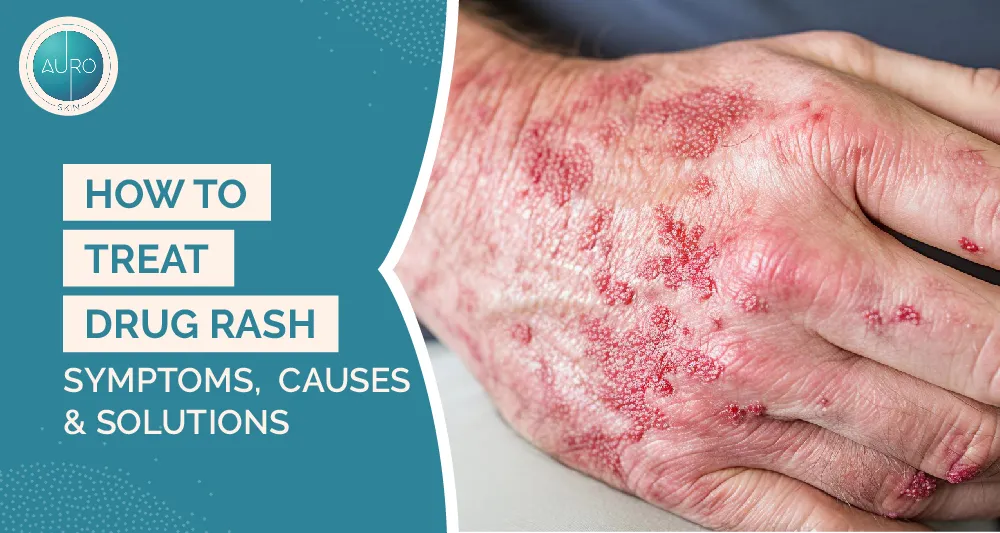
Drug rashes are among the most common skin reactions to medications. They may appear as mild redness or itching, but in some cases, they signal a serious allergic response that requires urgent care. Because these reactions can resemble other skin conditions, early identification is essential to prevent complications and ensure safe treatment. Understanding the warning signs also helps patients avoid re-exposure to the same medicine in the future.
In this blog, we explain why drug rashes occur, how to recognise different types, what symptoms need immediate attention, how treatment varies depending on the severity of the reaction, and more.
A] What Is a Drug Rash, and How Does It Develop?
A drug rash is a skin reaction triggered by a medication. It develops when the body responds to a drug as a foreign substance, activating the immune system and causing inflammation in the skin. In some cases, this response is allergic, where even a small dose can lead to a rapid reaction. In others, it is non-allergic and related to how the drug interacts with the skin or blood vessels.
The timing of onset often provides an important clue. Many drug rashes appear within one to two weeks of starting a new medicine, although some occur within hours, while others may develop after prolonged use. The appearance and severity depend on the drug involved, the patient’s immune response, and any previous exposure.
Recognising this link between medication and skin changes is the first step towards accurate diagnosis and timely drug rash treatment, helping prevent complications and recurrences.
B] What Are the Types of Drug Rashes?
Drug rashes can appear in different patterns, and identifying the type helps determine the urgency and the most appropriate treatment.
- Urticaria (Hives): Sudden, raised, itchy welts that may shift from one area to another and are often linked to an allergic reaction.
- Fixed Drug Eruption: Dark, round or oval patches that recur at the same site whenever the offending drug is taken again.
- Maculopapular Rash: Widespread red, flat and slightly raised spots, commonly seen with antibiotics and anticonvulsants.
- Lichenoid Eruption: Purple, flat-topped, itchy lesions that resemble lichen planus and develop gradually.
- Bullous Eruptions (SJS/TEN): Blistering with skin peeling and mucosal involvement; these are medical emergencies requiring hospital care.
- DRESS Syndrome: Extensive rash with fever, facial swelling, enlarged lymph nodes, and internal organ involvement.
- SDRIFE: Symmetrical red patches in body folds after exposure to a systemic drug.
Correct identification guides treatment decisions and helps prevent life-threatening complications.
C] How to Recognise a Drug Rash: Signs & Warning Symptoms
Drug rashes may look different from person to person, but certain features help in early recognition.
- Visible Skin Changes: Redness, small bumps, hives, scaling, or peeling of the skin.
- Itching or Burning: A common early symptom that may worsen with continued drug intake.
- Swelling: Especially around the face, lips, or eyelids in allergic reactions.
- Localised or Widespread Distribution: Some rashes remain confined to one area, while others spread across the body.
- Mucosal Involvement: Ulcers or soreness in the mouth, eyes, or genital area suggest a severe reaction.
- Systemic Symptoms: Fever, fatigue, joint pain, or breathlessness require immediate medical attention.
- Skin Pain or Blistering: A warning sign of serious conditions such as SJS or TEN.
Any rash that appears soon after starting a new medication should be evaluated promptly to prevent progression. Recognising these patterns helps in identifying a medication-related eruption and differentiating it from other skin conditions, as discussed in our guide on understanding types of skin rashes and how to treat them.
D] Drug Rash Treatment Based on Severity
- Immediate Withdrawal of the Suspected Drug: The first and most important step in managing a drug rash is stopping the suspected medication, under the guidance of a dermatologist in Mumbai, ensuring that essential treatment is not interrupted unsafely.
- Management of Mild Reactions: Mild reactions are usually treated with soothing emollients, oral antihistamines, and gentle skin care while the rash settles. Regular monitoring is advised to confirm that the condition is improving.
- Treatment for Moderate to Severe Reactions: Moderate rashes may require prescription topical corticosteroids or short courses of oral medication to control inflammation and itching. In contrast, severe reactions such as DRESS, SJS, or TEN need urgent hospitalisation, where patients receive supportive care, fluid management, and specialised treatment.
- Identification of the Culprit Drug and Long-Term Prevention: Once recovery begins, identifying the responsible drug becomes crucial. Through careful history and elimination methods, dermatologists determine the trigger and provide a drug allergy card listing medicines that must be avoided. This simple but essential step helps prevent future episodes and supports long-term safety.
E] How Long Does a Drug Rash Take to Heal?
The healing time depends on the type and severity of the reaction. Mild rashes often improve within a few days after stopping the offending drug and usually clear completely within one to two weeks. Moderate reactions may take longer, especially if there is significant inflammation. Age, immune status, and proper skin care also influence recovery. Patients are advised to attend follow-up visits if the rash persists, worsens, or leaves behind pigmentation or scaling. Monitoring ensures that healing is progressing as expected and helps detect any delayed complications.
With the right treatment approach and the best skin treatment in Mumbai, most drug rashes heal without long-term complications.
Conclusion
Drug rashes can range from mild and self-limiting to serious conditions that require urgent medical care. Recognising the early signs, identifying the responsible medication, and starting the right treatment at the right time are essential for safe recovery. Because these reactions can mimic other skin disorders, professional evaluation plays a key role in accurate diagnosis and long-term prevention. Patients should never restart a suspected drug without medical advice.
If you notice a new rash after taking medication, seeking timely care can prevent complications and ensure appropriate treatment. For a clear diagnosis, careful medication review, and a treatment plan suited to your skin, contact us to consult a qualified dermatologist.
FAQs