
January 21, 2026
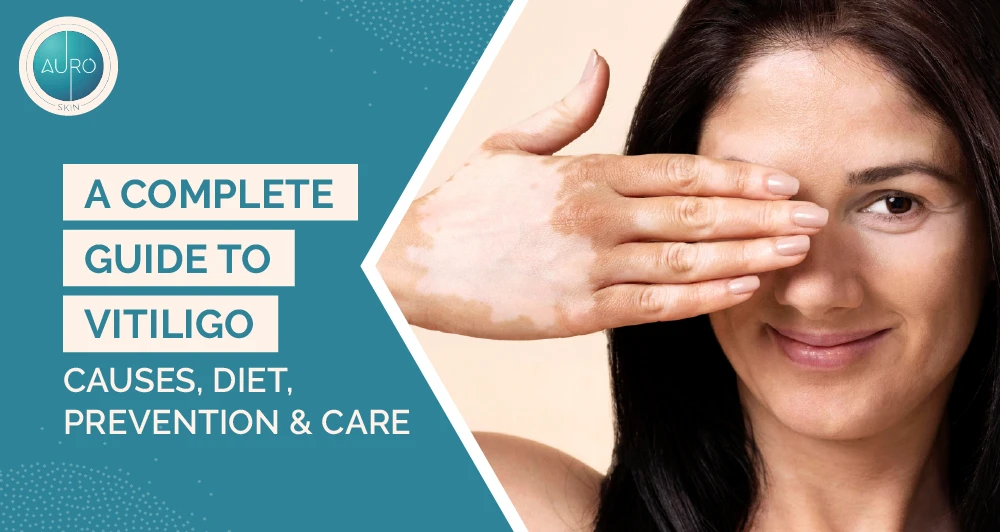
Vitiligo is a chronic skin condition in which patches of skin lose their natural colour due to reduced melanin production. It is widely understood as an autoimmune condition, where the body’s immune system mistakenly targets pigment-producing cells. While vitiligo is not contagious or life-threatening, it can significantly affect appearance, emotional well-being, and confidence. Many misconceptions surround its causes and management. Understanding what triggers vitiligo, how it progresses, and the role of prevention, diet, and skincare is essential for managing the condition effectively and supporting long-term skin health.
A] What Are the Early Symptoms of Vitiligo?
Vitiligo often begins subtly, making early symptoms easy to overlook.
- The most common sign is the appearance of light or white patches on the skin, especially on sun-exposed areas such as the face, hands, feet, and elbows.
- These patches are usually symmetrical and may gradually expand over time.
- Some people may experience increased sensitivity or mild itching in the affected areas.
- Premature whitening or greying of hair on the scalp, eyebrows, or eyelashes can also occur in areas of depigmentation.
- In some cases, pigment changes may be noticed inside the mouth or around the lips.
Early detection allows timely medical evaluation and treatment, which can help slow the spread of vitiligo and protect unaffected skin.
B] What Are the Main Causes of Vitiligo?
Vitiligo develops through a combination of immune, genetic, and environmental factors. Understanding these causes helps explain why the condition varies from person to person.
- Vitiligo is most commonly associated with an autoimmune response, where the immune system mistakenly attacks melanocytes, the cells responsible for skin pigmentation.
- Genetic factors play a role, as vitiligo can run in families and may occur alongside other autoimmune conditions.
- Oxidative stress, caused by an imbalance between free radicals and antioxidants in the body, may damage melanocytes and contribute to pigment loss.
- Emotional or physical stress can act as a trigger, worsening existing patches or initiating new ones.
- Severe sunburn or repeated sun exposure may accelerate depigmentation in vulnerable skin.
- Exposure to certain chemicals or skin trauma can trigger vitiligo in some individuals.
C] How to Prevent Vitiligo From Spreading?
Understanding how vitiligo progresses is important. Below are some practical tips to manage vitiligo that can help prevent it from spreading:
- Early Diagnosis and Consistent Treatment: Early diagnosis allows dermatologists to initiate therapies that may help slow pigment loss. Following prescribed treatments consistently is crucial for long-term management.
- Protecting the Skin From Sun Damage: Depigmented skin is more vulnerable to sunburn. Using broad-spectrum sunscreen daily helps prevent further damage and contrast between affected and unaffected areas.
- Managing Stress and Lifestyle Triggers: Stress is a known trigger for vitiligo flare-ups. Practising stress-reducing activities such as yoga, meditation, or regular exercise can support overall skin health.
- Avoiding Skin Injury: Skin trauma, cuts, or friction can trigger new patches due to the Koebner phenomenon. Gentle skincare and protective clothing help reduce this risk.
Early diagnosis allows dermatologists to initiate therapies that may help slow pigment loss. In suitable cases, advanced options such as laser vitiligo treatment may be recommended as part of a structured management plan.
D] What Foods Should Vitiligo Patients Avoid?
While no specific food directly causes vitiligo, certain dietary choices may aggravate inflammation or oxidative stress in some individuals.
- Excessive consumption of citrus fruits or highly acidic foods may irritate sensitive skin, as reported by some vitiligo patients. For those who experience this sensitivity, non-citrus sources like mangoes, bell peppers, kiwi, and carrots provide vitamin C without acidic irritation.
- Processed foods high in preservatives, refined sugars, and unhealthy fats can increase systemic inflammation.
- Red meat may worsen inflammation in individuals who are sensitive to it, although responses vary.
- Alcohol and sugary beverages can also contribute to oxidative stress and should be consumed in moderation or avoided.
It is important to note that food triggers differ from person to person, and dietary changes should be personalised rather than restrictive.
E] What Is the Best Diet for a Vitiligo Patient?
- Focus on Antioxidant-Rich Foods: Fruits and vegetables rich in antioxidants, such as berries, leafy greens, carrots, and beetroot, help combat oxidative stress.
- Include Whole Grains and Healthy Fats: Whole grains provide essential nutrients, while omega-3 fatty acids from sources like walnuts, flaxseeds, and fish support skin health.
- Ensure Adequate Micronutrients: Nutrients such as vitamin B12, zinc, and folate play a role in skin and immune function. These can be obtained from legumes, nuts, seeds, and fortified foods.
- Stay Well Hydrated: Adequate hydration supports overall skin function and helps maintain elasticity.
Dietary changes support general health and may complement treatment, but they are not a cure for vitiligo.
F] What Is the Ideal Vitiligo Skin Care Routine?
- Gentle Cleansing and Moisturising: Use mild, soap-free cleansers and fragrance-free moisturisers to prevent irritation and dryness.
- Daily Sun Protection: Apply a broad-spectrum sunscreen with adequate SPF to protect depigmented skin from sunburn and damage.
- Avoid Harsh Products: Exfoliants, strong actives, and fragranced products can irritate sensitive areas and should be avoided.
- Maintain Consistency: A simple, consistent routine helps protect the skin barrier and reduces the risk of flare-ups.
Conclusion
Managing vitiligo involves a thoughtful combination of early identification, preventive care, balanced nutrition, and consistent skin protection. While the condition varies from person to person, informed choices and timely dermatological support can help manage progression and protect overall skin health. If you are uncertain about symptoms, treatment options, or long-term care for vitiligo, contact us for professional evaluation and personalised guidance. You may consult an experienced dermatologist in Mumbai at Auro Skin Clinic for comprehensive vitiligo care tailored to your individual needs.
FAQs

About Author Dr. Avina Jain
Comments ( 9 )
Comments are closed.
vardenafil typical dose
vardenafil typical dose
vardenafil adverse event information
vardenafil adverse event information
medical review structure
medical review structure
augmentin vs amoxicillin antibiotic comparison
augmentin vs amoxicillin antibiotic comparison
penicillin allergy
penicillin allergy
Reference Resource
Reference Resource
Sildenafil vs vardenafil data review
Sildenafil vs vardenafil data review
Sildenafil vs Cialis Onset Duration Context
Sildenafil vs Cialis Onset Duration Context
Sildenafil vs Avanafil Onset Analysis
Sildenafil vs Avanafil Onset Analysis