
March 26, 2026
Atopic dermatitis, commonly known as eczema, is more than just dry or sensitive skin. It is a long-term condition that causes recurring itching, redness, and discomfort, often affecting sleep, clothing choices, and daily confidence. It can begin in infancy, continue through childhood, or even appear for the first time in adulthood. Because the symptoms tend to flare and settle in cycles, many people struggle to understand what triggers them and how to manage them effectively. With the right knowledge and care, however, the condition can be controlled well.
In this blog, we explain the common symptoms, causes, diagnosis, treatment options, and practical ways to prevent flare-ups.
A] What Are the Common Symptoms of Atopic Dermatitis?
- Core skin changes
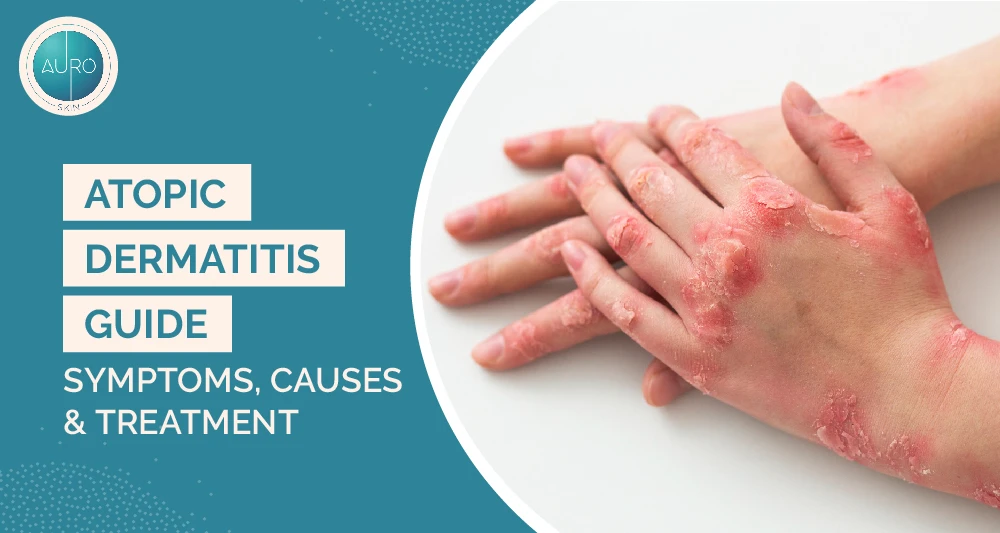
Dry, red, and intensely itchy patches are the most recognisable signs. During flare-ups, the skin may crack, ooze, or form crusts, making it painful and more prone to infection.
- Common areas affected
The pattern often changes with age.
- Babies: scalp, cheeks, and outer arms or legs.
- Children and adults: inner elbows, behind the knees, hands, neck, and around the eyes or mouth.
- Early signs vs flare-ups
Mild dryness and occasional redness are usually the first signals. When itching increases, the urge to scratch begins. This itch–scratch cycle damages the skin barrier, allowing irritants and bacteria to enter more easily. As a result, the rash becomes thicker, more inflamed, and slower to heal.
Recognising these early changes helps in starting atopic dermatitis treatment sooner and reducing the intensity of future flare-ups.
B] Causes of Atopic Dermatitis and Who Is at Risk?
Several internal and external factors contribute to the development and recurrence of atopic dermatitis:
- Genetic tendency
People with a family history of eczema, asthma, or allergic rhinitis are more likely to develop atopic dermatitis.
- Weak skin barrier
The skin loses moisture quickly and becomes more sensitive to irritants, making it dry and reactive.
- Immune system overactivity
The body responds strongly to minor triggers, leading to inflammation and persistent itching.
- Environmental triggers
Common external factors include:- Dust and pollution
- Harsh soaps and detergents
- Synthetic or rough fabrics
- Weather changes and low humidity
Who is at higher risk?
- Infants and young children
- Individuals with allergies or asthma
- Adults exposed to frequent handwashing, chemicals, or stressful routines
Understanding these factors helps in identifying personal triggers and planning long-term control.
C] How Is Atopic Dermatitis Diagnosed by Doctors?
Diagnosis usually involves a detailed clinical examination and a discussion about your medical history. Dermatologists look for the pattern of itching, the location of the rash, and the frequency of flare-ups. They also assess when the symptoms began and what seems to make them better or worse.
Since several skin conditions can appear similar, ruling out infections, contact dermatitis, psoriasis or conditions like rosacea is an important step.
In some cases, allergy tests or blood tests may be advised to identify associated triggers. Early diagnosis makes a significant difference, as it allows timely treatment, strengthens the skin barrier, and helps prevent repeated flare cycles that can affect quality of life.
D] What Are the Best Treatment Options for Atopic Dermatitis?
Effective management usually involves a combination of medical care and supportive daily habits:
Daily skincare and moisturising
A consistent routine is the foundation of treatment. Thick, fragrance-free moisturisers restore the skin barrier, reduce dryness, and make the skin less reactive to triggers.
Medicated topical treatments
Dermatologists may prescribe anti-inflammatory creams or ointments to calm redness and itching during active phases. When used correctly, they help the skin heal faster and prevent thickening.
Oral medications for severe cases
For widespread or persistent eczema, oral antihistamines or other prescribed medicines may be used to control itching, inflammation, and sleep disturbance.
Advanced dermatological therapies
In moderate to severe cases, dermatologists may recommend targeted treatments such as phototherapy or newer systemic medications that work on the immune pathway. These options are selected carefully based on age, severity, and medical history.
Lifestyle measures that support treatment
Short, lukewarm baths instead of hot showers.
Gentle, soap-free cleansers.
Soft, breathable clothing.
Keeping nails short to reduce skin damage from scratching.
Stress management and adequate sleep.
When medical care and daily habits work together, the skin becomes more stable, flare-ups reduce, and comfort improves over time with the right skin treatment in Mumbai.
E] How Can You Manage Flare-Ups and Prevent Recurrence?
Long-term control depends on recognising triggers and following consistent skin-friendly practices:
Identify and avoid triggers
Track what worsens your skin, such as certain soaps, fabrics, dust exposure, or sudden weather changes.
Follow gentle bathing habits
Use lukewarm water, keep baths short, and apply moisturiser immediately after patting the skin dry.
Choose skin-friendly clothing
Soft, loose, breathable fabrics help reduce friction and night-time itching. A cool sleep environment also improves comfort.
Maintain consistent home care
Daily moisturising, prescribed medications, good sleep, and stress control keep the skin barrier strong and reduce flare frequency.
Preventive care is not complicated, but it must be regular and personalised.
F] When Should You See a Dermatologist for Atopic Dermatitis?
Medical attention is important if you notice the following signs:
Persistent or worsening symptoms
If dryness, redness, and itching continue despite regular moisturising.
Frequent flare-ups
Repeated episodes may indicate the need for prescription treatment.
Signs of infection
Pain, yellow crusting, swelling, or fluid discharge require medical attention.
Poor response to home care
When over-the-counter products stop working or relief is only temporary.
Early dermatological care helps control the condition before it begins to interfere with sleep, work, school, or daily comfort. Consulting a dermatologist in Mumbai at the right time ensures accurate diagnosis and personalised treatment.
Conclusion
Managing atopic dermatitis is not only about clearing visible rashes. The right treatment and daily care improve sleep, make clothing more comfortable, reduce distractions at work or school, and restore confidence in everyday life. Because each person’s triggers and skin behaviour are different, a personalised plan offers the best long-term results. With consistent medical guidance and supportive lifestyle habits, flare-ups become less frequent and easier to control.
If you or your child are struggling with recurring eczema, seeking timely dermatological advice can make a meaningful difference. For expert evaluation and customised care, you can contact us and take the first step towards calmer, healthier skin.
FAQs