September 7, 2026
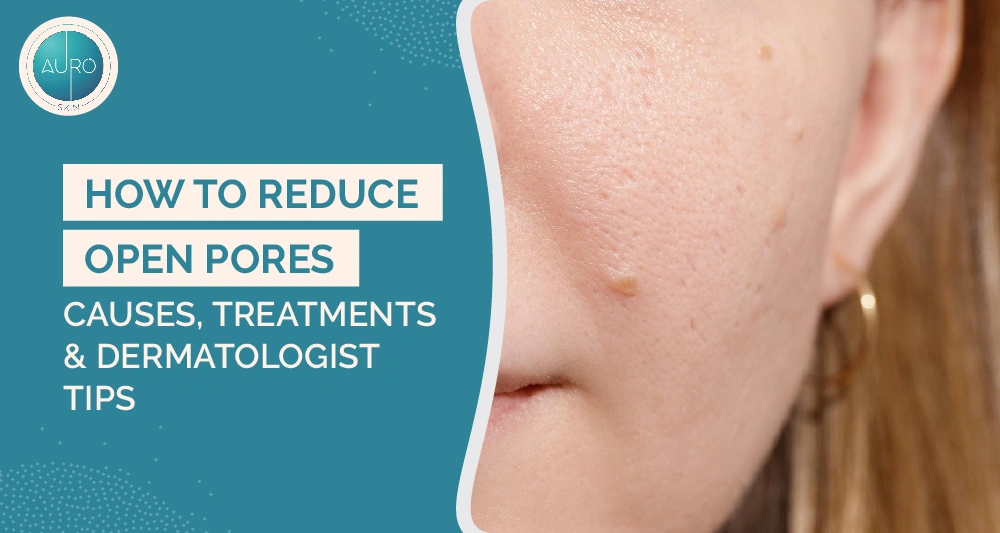
Open pores are one of the most common cosmetic skin concerns, particularly among people with oily or combination skin. While pores are a natural and essential part of healthy skin, enlarged pores can make the skin appear uneven and may be more noticeable when excess oil or blackheads are present. Genetics, aging, sun exposure, and increased sebum production can all contribute to their appearance.
Although pores cannot be permanently “closed”, their visibility can often be reduced with consistent skincare and professional treatments. Understanding what causes enlarged pores can help you choose the right approach for smoother, more refined-looking skin.
A] What Causes Open Pores?
Enlarged pores usually result from a combination of factors that affect the skin’s oil production, firmness, and texture. Common factors include:
- Excess Sebum Production: Oily skin produces more sebum, which can accumulate around pores and make them appear larger and more noticeable.
- Loss of Collagen with Age: As collagen production naturally declines with age, the skin loses some of its firmness and elasticity. This can cause pores to appear more prominent.
- Sun Damage: Prolonged UV exposure can damage collagen and affect skin elasticity, potentially making pores look more enlarged over time.
- Genetics: Your genes can influence your natural pore size, skin type, and tendency towards oil production. Some people are simply more prone to visible pores.
- Clogged Pores: A build-up of oil, dead skin cells, and impurities can stretch pores and make them appear larger. Blackheads can also make them more noticeable.
- Improper Skincare Habits: Over-exfoliating, using harsh products, or skipping cleansing can disrupt the skin barrier and contribute to clogged pores and uneven texture.
Identifying the underlying cause is important because the most effective open pore treatment often depends on why the pores appear enlarged.
B] Can the Appearance of Open Pores Be Reduced?
Pores are essential openings in the skin that allow sebum and sweat to reach the skin’s surface. Since they are permanent anatomical structures, they cannot be physically closed or permanently removed. However, their appearance can often be reduced with the right combination of skincare and professional treatment.
A consistent routine can help control excess oil, prevent build-up, and improve overall skin texture. Ingredients such as niacinamide and retinoids may be recommended for some patients, depending on their skin type and concerns. Dermatologist-led treatments can also stimulate collagen production, improve skin firmness, and refine uneven texture, making enlarged pores less noticeable.
The results will vary from person to person. Factors such as genetics, skin type, age, sun exposure, and the underlying cause of enlarged pores can all influence treatment outcomes. A dermatologist can assess your skin and recommend an approach suited to your individual needs.
C] What Treatments Help Reduce Open Pores?
- Microneedling: Creates controlled micro-injuries in the skin to stimulate collagen production. Over time, this can improve skin firmness and texture while reducing the appearance of enlarged pores, making it a potential option for those considering microneedling treatment for visible pores.
- Chemical Peels: Help remove dead skin cells from the surface and improve skin texture. They can also help manage excess oil and clogged pores, making the skin appear smoother and more refined.
- Laser Treatments: Certain skin laser treatments can stimulate collagen remodelling and improve overall skin texture. They may be considered for persistent enlarged pores or when uneven texture and other concerns are also present.
- Personalised Treatment Plans: Some patients may benefit from a combination of treatments for more comprehensive results. Depending on your skin type and concerns, your dermatologist may recommend topical treatments such as retinoids or niacinamide alongside in-clinic procedures.
D] When Should You See a Dermatologist for Open Pores?
Enlarged pores are usually a cosmetic concern, but professional advice can be helpful when they occur alongside other skin issues or do not improve with a consistent skincare routine. Consider consulting a dermatologist if:
- Acne is Present: Enlarged pores occur alongside frequent breakouts, blackheads, or excess oil.
- Skin texture has changed: Your skin appears increasingly uneven, rough, or congested.
- Scars or pigmentation are visible: You have acne scars, pigmentation, or other concerns that may require additional treatment.
- You are unsure about treatment: You need help identifying which skincare products or professional procedures are suitable for your skin.
A dermatologist can determine the underlying cause and recommend the most suitable treatment plan. Professional treatments work best when supported by healthy lifestyle habits and a balanced diet. For more guidance, explore our blog on how your skin reflects your habits through diet, lifestyle, and care.
Conclusion
Enlarged pores are a common skin concern, but their appearance can often be effectively managed with the right approach. While pores cannot be permanently closed, consistent skincare and professional treatments can help make them look less noticeable and improve overall skin texture. The best results often come from combining a suitable daily routine with dermatologist-recommended treatments based on your skin’s needs. If you are concerned about visible pores, acne, or uneven skin texture, you can schedule a consultation at Auro Skin Clinic, recognised as the best dermatologist in Mumbai, for personalised guidance and a treatment plan tailored to your skin’s needs.
FAQs