
September 16, 2026
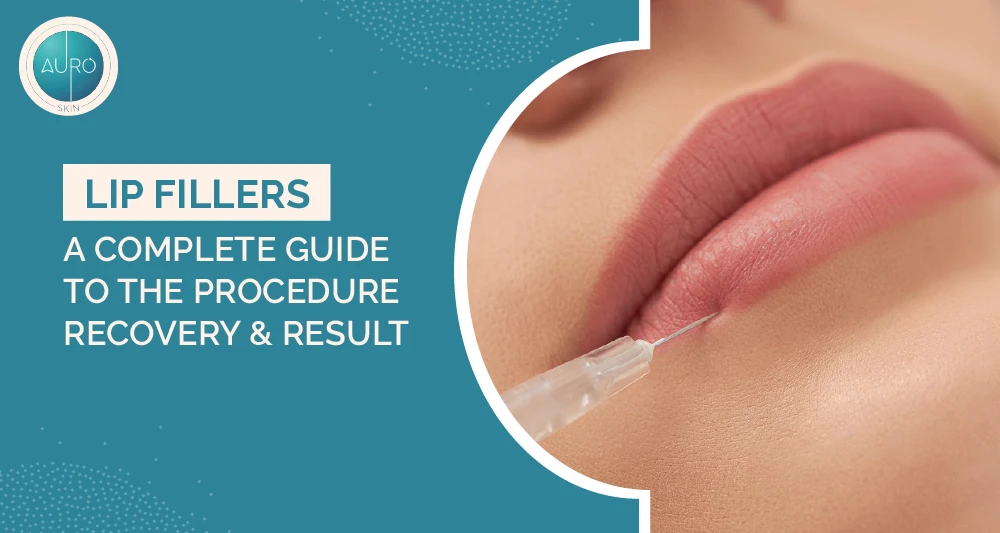
Lip fillers are a popular minimally invasive cosmetic treatment used to enhance lip volume, shape, and definition. Depending on individual preferences, the treatment can create subtle changes or a more noticeable enhancement while maintaining balanced facial proportions. Understanding the complete treatment journey, from consultation and preparation to recovery and results, can help patients develop realistic expectations. Like any injectable treatment, lip fillers require careful assessment and should be performed by a qualified dermatologist.
A personalised approach considers the patient’s facial anatomy, aesthetic goals and medical history before determining whether treatment is appropriate.
A] What Are Lip Fillers and Who Are They Suitable For?
Lip fillers are a type of dermal filler treatment, most commonly made with hyaluronic acid (HA). Lip fillers may be used to:
- Enhance lip volume: Add subtle or more noticeable fullness based on individual preferences.
- Define lip shape: Enhance the lip border and Cupid’s bow for greater definition.
- Improve mild asymmetry: Create a more balanced appearance between the lips.
- Restore lost volume: Address volume changes associated with the natural ageing process.
- Soften fine lines: Improve the appearance of certain fine lines around the mouth.
Suitability depends on individual lip anatomy, facial proportions, aesthetic goals and medical history. A consultation with a qualified dermatologist helps determine whether treatment is appropriate and how it can be tailored to the patient’s features.
B] What Happens During a Lip Filler Procedure?
A lip filler procedure typically involves a few key steps, from consultation to post-treatment assessment.
- Consultation: Discuss goals, assess facial proportions, and review medical history.
- Preparation: The lips are cleansed, and a topical numbing cream or local anaesthetic may be used where appropriate. Some hyaluronic acid fillers also contain lidocaine.
- Injection: Small amounts of filler are carefully placed in selected areas using a fine needle or cannula, depending on the technique and treatment plan.
- Assessment: The lips are assessed after injection to check volume, shape and symmetry.
The amount and placement of filler are personalised according to the patient’s anatomy and desired outcome. The aim is to achieve balanced enhancement rather than a one-size-fits-all result.
If you are exploring other injectable treatments, our guide to Botox vs dermal fillers explains how they differ in their uses and approaches.
C] How Should You Prepare for Lip Filler Treatment?
Good preparation starts with an open discussion about your health, previous treatments and expectations. Before your appointment, consider the following:
- Share your medical history: Tell your dermatologist about relevant medical conditions, allergies, medications, and supplements.
- Mention previous reactions: Inform your dermatologist about any previous reactions to fillers or other injectable treatments.
- Discuss past procedures: Share relevant clinical and surgical history that may affect treatment planning.
- Address active concerns: Treatment may need to be postponed if there is an infection or significant inflammation around the lips.
- Review medications: Never stop prescribed blood-thinning medication without discussing it with your doctor.
- Plan around events: Temporary swelling or bruising can occur, so consider treatment timing around important occasions.
D] What Can You Expect After Lip Filler Treatment?
Some swelling, redness, tenderness, bruising or tightness can occur after lip filler injections. The lips may initially appear fuller than expected because of temporary swelling. These effects generally begin to settle over the following days, although the recovery timeline varies between individuals.
As the initial swelling reduces, the shape and volume of the lips become easier to assess. The final appearance is usually clearer within around one to two weeks, although some patients may take longer to fully settle. A follow-up appointment may be recommended to assess the result once the filler has settled and determine whether any refinement is appropriate.
Lip filler results are temporary rather than permanent. How long they last depends on factors such as the type and amount of filler used, individual metabolism and the treated area. Your dermatologist can provide more specific guidance based on your treatment plan.
E] What Is the Right Lip Filler Aftercare?
Following your dermatologist’s aftercare instructions can help support a comfortable recovery. General guidance may include:
- Follow instructions: Follow the specific aftercare advice provided by your dermatologist.
- Handle gently: Avoid excessive touching, pressure, or manipulation of the treated area.
- Limit exertion: Avoid strenuous exercise immediately after treatment, as advised.
- Avoid excess heat: Limit exposure to excessive heat, such as very hot environments, during the initial recovery period if advised.
- Manage swelling: Use a cool compress if your dermatologist recommends it.
- Stay hydrated: Drink sufficient fluids and follow any advice regarding alcohol after treatment.
- Do not massage: Avoid massaging or attempting to reshape the filler unless specifically instructed.
Most post-treatment effects are temporary, but certain symptoms require prompt medical attention. Severe or worsening pain, unusual skin discolouration, marked asymmetry, or visual disturbances can indicate a rare vascular complication and should be assessed urgently.
Conclusion
Lip fillers can enhance lip volume, shape and definition when treatment is tailored to individual facial anatomy and aesthetic goals. Understanding the procedure, preparation, recovery and aftercare can help patients approach treatment with realistic expectations. Temporary swelling and bruising are common after injections, while the final appearance becomes clearer as the lips settle.
A consultation with a qualified dermatologist is important for assessing suitability and developing an appropriate treatment plan. At Auro Skin Clinic, patients can consult an experienced dermatologist in Mumbai to discuss their concerns, treatment goals and the approach that may be suitable for their needs. If you are considering lip fillers, contact us to schedule a consultation.
FAQs